

 See My Latest Article on HelloNation
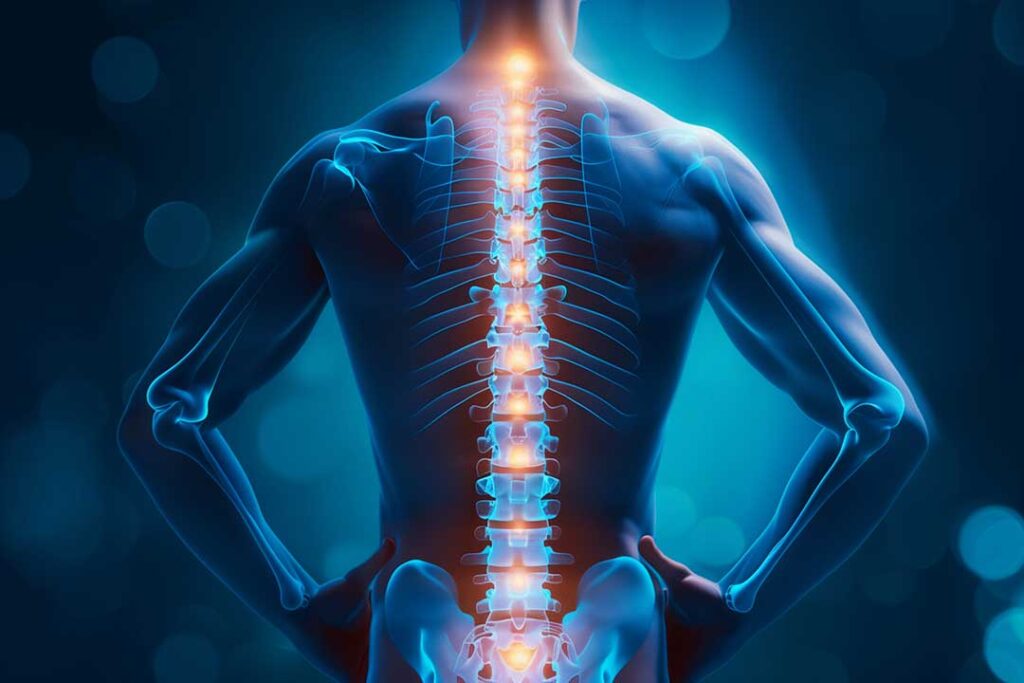
Joint cracking is usually harmless when it happens without pain, swelling, weakness, or loss of motion. The sound may come from gas shifting in joint fluid, tendons or ligaments moving over nearby structures, or normal changes in pressure as a joint moves.
For local residents, cracking may be noticed during stretching, exercise, household tasks, or after sitting for a long time. The noise itself is rarely the main concern. The surrounding symptoms—and how they developed—provide more useful information.
Why do joints crack and pop?
Most joint sounds fall into a few broad categories.
Gas movement: Synovial fluid lubricates many joints and contains dissolved gases. When joint pressure changes, small gas pockets can form or shift, producing a pop. This is common in the fingers, spine, shoulders, knees, and ankles.
Tendons and ligaments moving: A tendon or ligament may briefly move over a bony surface and then return to position. This can create a snapping or clicking sensation, especially around the hip, knee, ankle, or shoulder.
Joint surfaces changing: Rougher cartilage surfaces or age-related changes can create grinding, crackling, or a sandpaper-like sound. This is often called crepitus. It may occur without pain, but persistent discomfort or swelling deserves attention.
Soft tissues moving: Muscles, fascia, and other tissues can shift during stretching or changes in posture. The sound may seem to come from a joint even when the source is nearby soft tissue.
A loud sound does not necessarily mean a joint is being damaged. Volume is not a reliable measure of severity.
Is cracking your knuckles harmful?
For most people, occasional knuckle cracking does not appear to cause arthritis. It also does not generally reduce grip strength or permanently enlarge the fingers.
The main caution is force. Pulling, twisting, or bending a finger aggressively can irritate a ligament, tendon, or joint capsule. Repeated cracking may also become a problem if it causes soreness, swelling, or a sense that the finger is unstable.
A painless pop that occurs naturally during movement is different from deliberately forcing a joint beyond a comfortable range.
Does joint cracking mean arthritis?
Not by itself. Arthritis is a condition involving pain, stiffness, swelling, reduced function, or structural changes—not simply noise.
Crackling may occur with normal aging, previous injuries, changes in cartilage, or altered movement patterns. Some people have noisy joints for years without developing significant symptoms. Others have relatively quiet joints despite meaningful arthritis.
Possible warning signs include:
- Pain during or after the cracking
- Swelling, warmth, or redness
- Morning stiffness lasting more than about 30 minutes
- Reduced range of motion
- A joint that catches, locks, or gives way
- Difficulty walking, climbing stairs, gripping, or lifting
- Symptoms that steadily worsen or repeatedly return
These signs do not identify a specific diagnosis on their own. They indicate that the joint needs a closer assessment rather than being dismissed as “just cracking.”
Why does cracking sometimes feel relieving?
A joint may feel temporarily looser after it pops because movement can briefly change pressure, stimulate sensory receptors, or reduce the feeling of stiffness. Stretching the surrounding muscles may also make movement feel easier.
That short-term relief does not prove that a joint was “out of place” or that a crack corrected a structural problem. It also does not mean repeated cracking is necessary for healthy movement.
If someone feels compelled to crack the same area repeatedly to feel normal, the more useful question is why the area feels stiff, uncomfortable, or restricted in the first place. Contributing factors may include prolonged sitting, repetitive activity, muscle tension, an old injury, poor sleep, or reduced overall movement.
What does a chiropractic adjustment have to do with the sound?
A chiropractic adjustment may sometimes produce a popping sound, but the noise is not the goal of care. The sound commonly reflects pressure changes and gas movement within a joint. A treatment can also be effective without producing an audible crack.

A qualified examination should consider symptoms, medical history, movement, strength, and possible causes before any hands-on technique is used. Forceful self-manipulation—especially of the neck—can be risky when done aggressively or in the wrong direction.
People with osteoporosis, recent trauma, inflammatory joint disease, connective-tissue disorders, unusual neurological symptoms, or certain vascular conditions may need specific medical guidance before manipulation or high-velocity techniques.
Can weather or desert heat affect joint symptoms in Gilbert?
The dry climate and long hot season can influence daily movement habits, even though weather does not explain every joint noise. During very hot periods, residents may shift workouts indoors, sit longer in air conditioning, or exercise at unusual hours. Those changes can increase stiffness when the body moves less than usual or when activity suddenly resumes.
Outdoor walking, recreational sports, and yard work are often easier during cooler parts of the day. Gradual warmups, adequate water intake, shade, and pacing are particularly sensible during the hottest months. Heat exhaustion can cause weakness, dizziness, headache, nausea, and confusion; those symptoms should not be mistaken for ordinary joint stiffness.
Cooler months may bring a different pattern: more outdoor activity, longer walks, or weekend projects after a relatively inactive stretch. Increasing activity gradually can reduce the chance that a harmless pop becomes associated with a strain or overuse injury.
When should a cracking joint be medically evaluated?
A cracking joint should be evaluated when the sound is accompanied by significant symptoms or follows an injury. Prompt medical attention is appropriate for a joint that is hot, red, markedly swollen, severely painful, deformed, or difficult to move.
Urgent evaluation is also warranted after a fall or collision if there is an inability to bear weight, numbness, tingling, loss of strength, or a joint that appears out of position. Fever or feeling generally ill alongside a hot, swollen joint can signal an infection and requires prompt care.
For less urgent concerns, make note of:
- Which joint is affected
- Whether the sound occurs during a specific movement
- Whether pain appears before, during, or after the pop
- Any swelling, stiffness, weakness, or instability
- Recent changes in exercise, work, sleep, or activity level
That information can help distinguish a normal joint sound from a movement problem that deserves further evaluation.
What can residents do for painless joint cracking?
Painless cracking usually does not require treatment. Helpful habits include regular low-impact movement, gradual increases in exercise, strength work appropriate to current ability, and avoiding forceful attempts to make a joint pop.
Long periods of sitting can make normal movement feel stiff. Brief walking breaks, gentle range-of-motion exercises, and changing positions throughout the day may help. Any exercise that causes sharp pain, swelling, or a feeling of instability should be stopped.
The practical rule is simple: noise without concerning symptoms is usually benign; noise combined with pain, swelling, weakness, injury, or loss of function deserves attention.