
 See My Latest Article on HelloNation

What Are Chiropractic Alternatives to Surgery?
Chiropractic alternatives to surgery refer to non-invasive methods that aim to manage pain, restore mobility, and address musculoskeletal issues without the need for an operation. Residents of Gilbert, AZ often seek these options for conditions like back pain, neck discomfort, joint problems, and injuries resulting from everyday activities.
These alternatives can encompass manual therapies, targeted exercises, and lifestyle adjustments. Such approaches may be especially relevant for community members interested in less intrusive recovery options, or those who want to avoid potential surgical risks and extended recovery times.
Which Local Conditions Can Be Helped Without Surgery?
Many common complaints in the area respond well to non-surgical care, especially those related to the spine, joints, or soft tissue due to sedentary work, gardening, recreational sports, or home improvement projects.
- Lower back pain, including lumbar strains and herniated discs not requiring surgical intervention
- Neck pain often linked to posture or desk work
- Some forms of sciatica
- Shoulder, knee, or hip discomfort from overuse or mild injuries
- Mild to moderate arthritis and joint stiffness
In Gilbert, these concerns often emerge after spring yard work, moving heavy objects in hot summers, or repetitive tasks. Non-surgical care is most appropriate for chronic pain management or when imaging shows no severe structural damage requiring immediate surgical repair.
How Do Non-Invasive Methods Work?
Non-invasive chiropractic and rehabilitative methods aim to address the causes of pain, enhance function, and support the body’s natural healing. They do not involve incisions, anesthesia, or hospital stays.
Common approaches include:
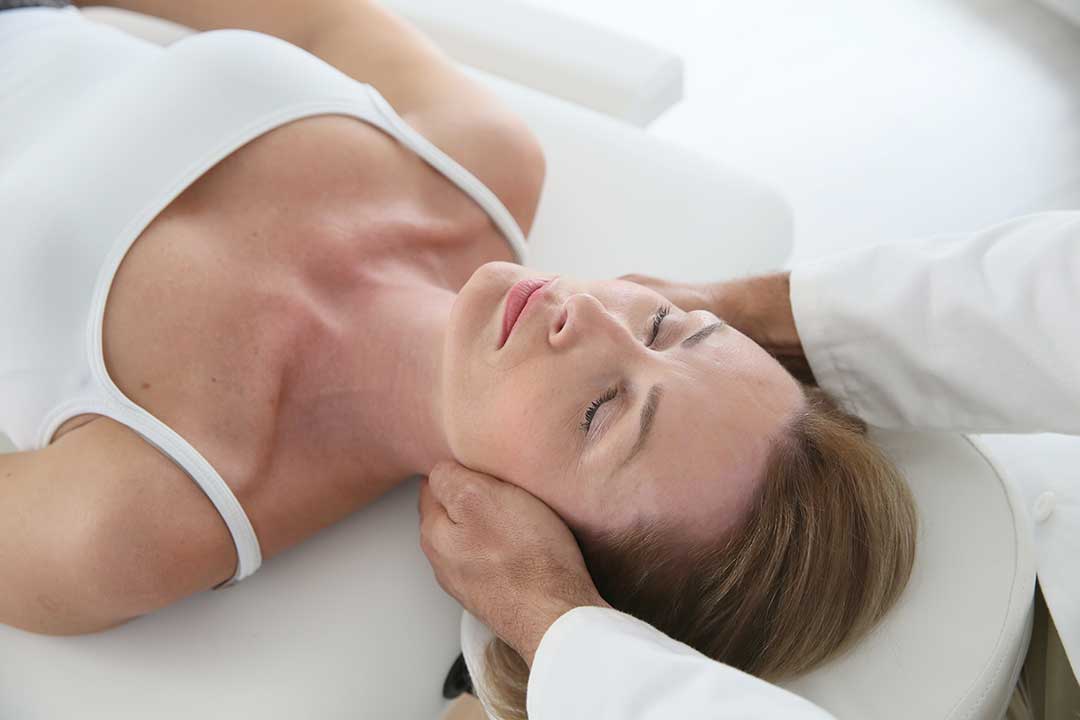
- Manual adjustments to improve joint alignment and reduce pressure on nerves
- Mobilization techniques to restore range of motion without joint "cracking"
- Soft tissue therapies, such as myofascial release or stretching, to ease muscle tension
- Personalized exercise programs to rebuild strength and mobility at home
- Patient education about postural habits and daily movements
For area households, these can be tailored based on activities most common in the community, like gardening or recreational cycling, to prevent recurrence.
When Might Surgery Still Be Needed?
Non-surgical care can be highly effective, but some conditions do require surgical evaluation. Significant loss of function, progressive weakness, bowel or bladder changes, or imaging revealing serious structural issues are examples where surgery may become necessary.
Most local clinicians work collaboratively, and ongoing pain that does not respond to conservative measures is often followed by additional imaging or specialist referral. However, many residents see improvement without surgery for non-emergency musculoskeletal issues.
Can Exercises Replace Surgery for Back or Neck Pain?
Exercise programs are foundational in addressing many spinal and joint complaints. In Gilbert, where residents balance desk work with active outdoor hobbies, tailored exercises can be especially useful for reducing pain, improving posture, and preventing further injury.
Some ways exercises help include:
- Strengthening muscles to support spinal alignment
- Improving flexibility to ease strain on joints
- Encouraging healthy movement patterns in daily activities
- Reducing reliance on pain medications
For many non-emergent cases, consistent, customized exercise can offer similar improvements to post-surgical rehabilitation, without the downtime of an operation.
Are There Risks With Non-Surgical Chiropractic Methods?
Most chiropractic methods are considered safe when provided by qualified practitioners, especially for common, uncomplicated cases. However, any approach—surgical or non-surgical—carries some risks:
- Mild soreness or temporary discomfort after treatment
- Rare nerve or tissue irritation
- Over-reliance on passive therapies without integrating home practices
It’s important for residents to share their full health history, current medications, and any prior surgeries so care can be appropriately adapted. The city’s demographic diversity occasionally means chronic conditions or medical complexities, so transparency helps ensure safe, customized care.
What Misconceptions Do Residents Have About Non-Surgical Care?
A few common misunderstandings in the local community include:
- Believing surgery is always faster or more effective—many musculoskeletal issues improve with time, movement, and targeted care
- Expecting immediate results—non-surgical care, much like post-surgical rehabilitation, often requires consistent effort
- Thinking only back pain applies—chiropractic alternatives can address shoulders, hips, knees, and even TMJ discomfort
Residents sometimes overlook that integrating non-invasive strategies can support faster recovery from everyday injuries or help reduce flare-ups from chronic conditions.
How Can Lifestyle in Gilbert Affect Non-Surgical Recovery?
Environmental and community factors influence treatment choices and outcomes:
- Hot summers and dehydration can worsen joint and muscle issues, so residents are encouraged to stay well-hydrated during outdoor activities
- Sedentary work environments common in the city contribute to posture-related discomfort—regular microbreaks and targeted stretches can counteract this
- Seasonal yard work and sports participation lead to unique strains and injuries, highlighting the importance of preventive practices and safe lifting techniques
Customized strategies that account for these local lifestyle patterns typically lead to more lasting results.
What Should Residents Consider When Exploring Alternatives?
Local residents considering these approaches should honestly assess:
- Personal preferences about recovery speed and comfort with medical interventions
- Ability to commit to ongoing exercises or home care recommendations
- The nature of their specific injury or complaint and whether it aligns with conditions that typically respond to conservative methods
If symptoms are persistent, severe, or changing rapidly, further medical evaluation is warranted. Otherwise, many find that careful non-invasive care offers practical and lasting relief, often allowing them to resume favorite activities in the community without surgical intervention.